



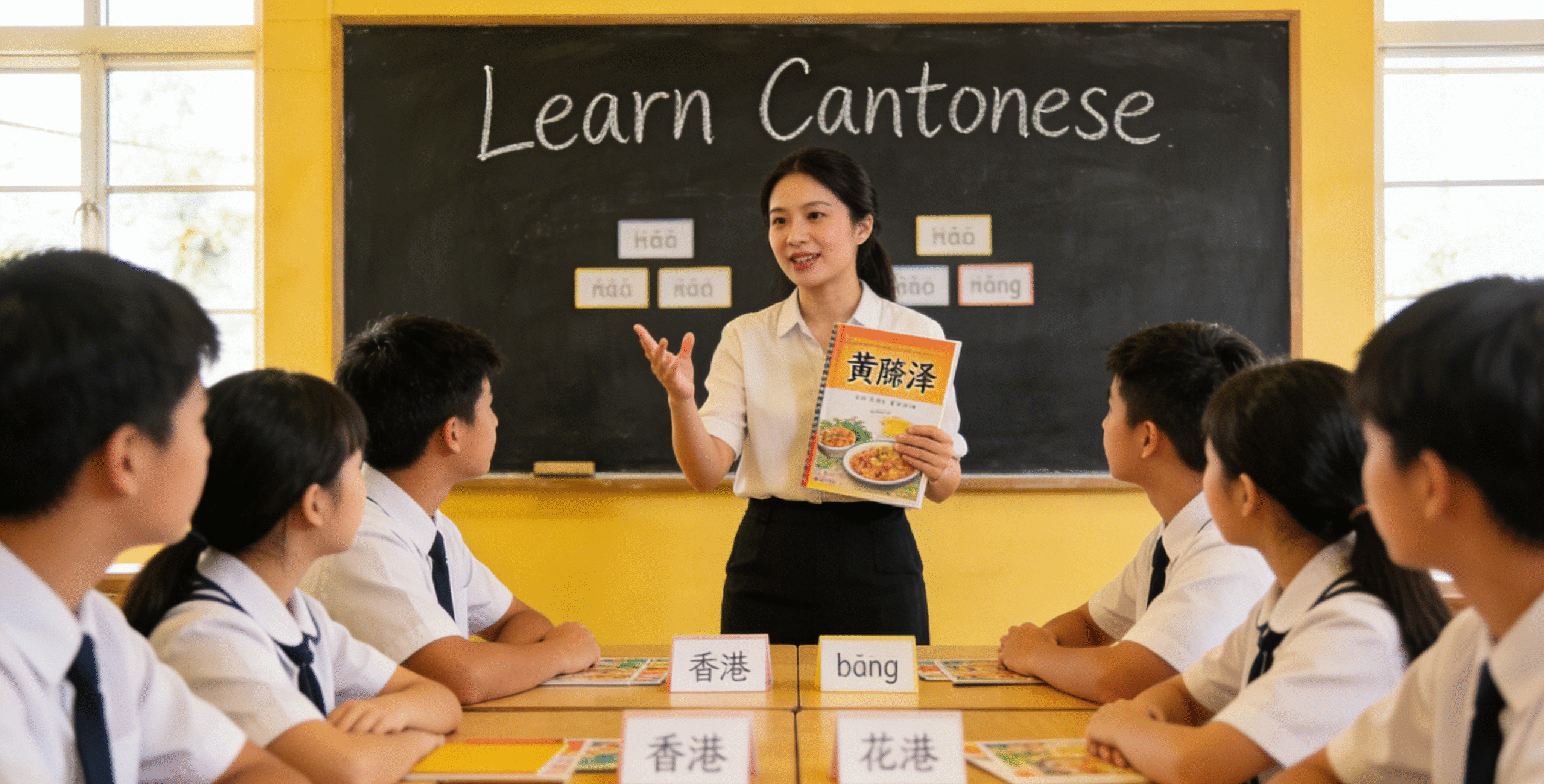
Cantonese Lessons in Hong Kong: 10 Things You Must Know Before Taking Cantonese Lessons
Introduction
Hong Kong’s vibrant culture is deeply intertwined with Cantonese, the city’s most widely spoken language. Whether you’re an expat settling in, a traveler seeking deeper connections, or a professional aiming to boost career prospects, taking Cantonese lessons in Hong Kong is a gateway to true local immersion. But before you enroll in your first class, there are 10 critical things to know to make your learning journey smooth, effective, and enjoyable. These insights will help you choose the right course, avoid common pitfalls, and embrace Cantonese as more than just a language—an essential part of Hong Kong’s identity.
1. Cantonese Is Not Mandarin—Don’t Confuse the Two
Many learners new to Hong Kong mistakenly assume Cantonese and Mandarin are interchangeable, but they are distinct languages with different sounds, tones, and vocabulary. Mandarin uses four tones, while Cantonese has nine (often simplified to six in teaching), making pronunciation a unique challenge. Vocabulary also differs: Cantonese uses terms like “唔該” (m̀h gōi) for “thank you,” while Mandarin uses “谢谢” (xièxie). This difference is so significant that mutual intelligibility between the two is impossible for most speakers. Knowing this upfront will help you focus on the right language and set realistic learning goals.
2. Course Types Vary—Choose One That Fits Your Lifestyle
Hong Kong offers a wide range of Cantonese lesson options to suit different schedules, budgets, and learning styles. You can choose small-group in-person classes (usually 2-4 students) at centers in Central, flexible one-on-one private lessons (in-person or online), corporate training for professionals, or even kids-specific courses with interactive activities. Online lessons via Zoom or WeChat are ideal for busy individuals, while in-person classes provide more immersive practice with native speakers. Take time to assess your availability and learning preferences before committing.
3. Jyutping Is Your Best Friend for Pronunciation
Cantonese’s complex tonal system makes pronunciation one of the biggest hurdles for learners, but Jyutping—Hong Kong’s official Cantonese romanization system—simplifies this process. Most reputable Cantonese lessons in Hong Kong teach Jyutping to help students master correct tones and sounds from the start. Unlike other romanization systems, Jyutping accurately reflects Cantonese’s unique phonetics, so you’ll avoid mispronouncing words like “买” (maai5, “buy”) and “卖” (maai6, “sell”), which differ only in tone. Don’t skip learning Jyutping; it will save you time and frustration later.
4. Lesson Costs Range Widely—Plan Your Budget
The cost of Cantonese lessons in Hong Kong varies based on the course type, duration, and provider. Group classes are more affordable, with prices starting around HK$2,900 for an 8-week beginner course at institutions like HKU SPACE. Private in-person lessons can cost up to HK$17,900 for 32 hours, while online private lessons are slightly cheaper at around HK$14,380 for the same duration. Many schools offer discounts for group enrollments—10% for two students and 15% for three—so consider learning with friends to save money.
5. Native Speakers as Teachers Make a Big Difference
When choosing Cantonese lessons, prioritize courses taught by native Hong Kong speakers. Native teachers understand not just the language but also the cultural context, slang, and subtle nuances that non-native teachers may miss. They can teach you地道 (dìdao) colloquial phrases used in daily life, like “搞掂” (gāu dīm) for “solve” or “返工” (faan gūng) for “go to work”. Many native teachers also use local materials like Cantonese songs, films, or fairy tale adaptations to make lessons engaging and relevant.
6. Colloquial Cantonese Is More Useful Than Formal Cantonese
While formal Cantonese is taught in some courses, colloquial Cantonese is what you’ll use most in daily interactions in Hong Kong. Formal Cantonese is reserved for official settings, while colloquial Cantonese includes slang, contractions, and casual phrases that native speakers use every day. For example, instead of saying “我唔知道” (ngóh m̀h zī dou) for “I don’t know,” locals often say “我唔知” (ngóh m̀h zī) for brevity. Ensure your course focuses on practical, colloquial speech to help you communicate confidently in markets, cafes, and with local friends.
7. Cultural Immersion Is Key to Mastery
Cantonese is deeply tied to Hong Kong’s culture, so learning the language goes hand in hand with understanding local traditions. The best Cantonese lessons in Hong Kong incorporate cultural elements like Mid-Autumn Festival lantern riddles, Cantonese opera, or local food terminology to make learning more meaningful. Outside of class, practice by watching Cantonese TV shows, listening to podcasts like “Chatty Cantonese,” or joining communities like Cantonese Alliance on Discord to interact with native speakers. Immersion accelerates learning and helps you grasp cultural nuances.
8. Age Doesn’t Matter—Anyone Can Learn Cantonese
Many people believe that learning a new language is only easy for children, but adults can learn Cantonese just as effectively with the right approach. Kids’ Cantonese lessons often use picture books and nursery rhymes to make learning fun, while adult courses focus on practical scenarios like shopping, commuting, or business meetings. Adults bring life experience and focus to lessons, which can help them grasp grammar and vocabulary faster. Whether you’re 18 or 80, enrolling in Cantonese lessons in Hong Kong is a worthwhile investment in your connection to the city.
9. Practice Outside Class Is Non-Negotiable
Even the best Cantonese lessons won’t make you fluent if you don’t practice outside of class. Hong Kong is a living classroom—take every opportunity to speak Cantonese with locals, from ordering dim sum at a restaurant to asking for directions in the MTR. Use apps like Cantonese Jyutping AI to practice pronunciation or flashcards from CantoneseHome Education to memorize vocabulary. Consistent practice, even for 15-20 minutes a day, will help you retain what you learn and build confidence in speaking.
10. Some Courses Are Funded—Check for Subsidies
Did you know that some Cantonese courses in Hong Kong are funded by the government or local organizations? These funded courses often offer lower fees or even free tuition for eligible learners, such as new residents or low-income individuals. Organizations like Open Cantonese Community also provide free resources, including textbooks, vocabulary lists, and online guides, to support your learning journey. Before enrolling in a paid course, research funded options to save money while still getting quality instruction.
11. Passive Practice Complements Active Learning
Active practice (speaking, writing) is essential, but passive practice (listening, reading) plays a crucial role in building comprehension. Cantonese lessons in Hong Kong often include listening exercises using local media, but you can supplement this by listening to Cantonese radio, watching Hong Kong films, or reading graded readers like “Hambaanglaang Cantonese Graded Readers”. Passive practice helps you get used to the rhythm and tone of Cantonese, making it easier to understand native speakers and respond naturally in conversations.
12. Set Realistic Goals to Avoid Frustration
Fluency in Cantonese takes time—don’t expect to master it in a few weeks. Set realistic, short-term goals to stay motivated: learn 10 new colloquial phrases each week, master 2 tones per lesson, or have a 5-minute conversation with a local by the end of the month. Many learners get discouraged because they set overly ambitious goals, but small, consistent progress is the key to success. Your Cantonese teacher can help you set personalized goals based on your learning pace and objectives.
Conclusion
Taking Cantonese lessons in Hong Kong is more than just learning a language—it’s a way to connect with the city’s heart and soul. By keeping these 10 things in mind, you’ll choose the right course, avoid common mistakes, and make your learning journey enjoyable and effective. From mastering Jyutping to embracing cultural immersion and consistent practice, every step will bring you closer to speaking Cantonese confidently. Whether you’re learning for work, travel, or personal growth, Cantonese will open doors to new friendships, opportunities, and a deeper understanding of Hong Kong’s unique culture. Start your journey today, and you’ll soon be speaking like a local.